
Festival Photography in Argentina
From North to South: Festival Photography in Argentina
Argentina is a country of immense cultural richness, where traditions from Indigenous communities, European settlers, and African influences intertwine to create a vibrant calendar of celebrations.
For a Travel Photographer, these festivals are a window into the soul of the nation—moments when color, music, rituals, and people’s emotions merge into scenes of unique photographic value. From the Andes to the Pampas, and from the subtropical north to the windswept Patagonia, every region has its own festivities worth capturing.
Looking for a Private Tour?
We can modify the itineraries and duration according to your needs and travel dates.
FESTIVALS IN ARGENTINA: PHOTO TOURS & WORKSHOPS
Private, Tailor-Made Photo Tours
We put an Experienced Team of Travel Experts, Local and Photography Guides at your disposal to design our Tailor-Made Private Photo Experience.
A Photography Travel Experience entirely focused on your interests, whether it is Nature, Wildlife, People, Architecture, Landscape, Documentary, or Street Photography.
You can choose from any of the Destinations we offer, from Buenos Aires to the Argentine Northwest, the Iberá Wetlands and Misiones, to the remote Patagonia and Tierra del Fuego.
If you have a destination in mind that is not listed on our website, please ask us. We respond quickly.
The APW Signature: Premium Service Add-ons
We elevate your Photography Expedition with services designed for the traveler seeking Comfort, Security, and Exclusivity in Argentina’s most remote corners.

Private 4x4 Transportation
Exclusive mobility in vehicles equipped for rugged terrain, ensuring safe access to remote locations in Patagonia or the Puna.

Curated Accommodations
A handpicked selection of boutique hotels and historic estancias that blend local charm with high-end comfort standards.

24/7 Bilingual Logistics
Full technical and coordination support in both Spanish and English throughout your journey for a completely stress-free experience.
Carnival in Argentina: Color, Dance, and Tradition
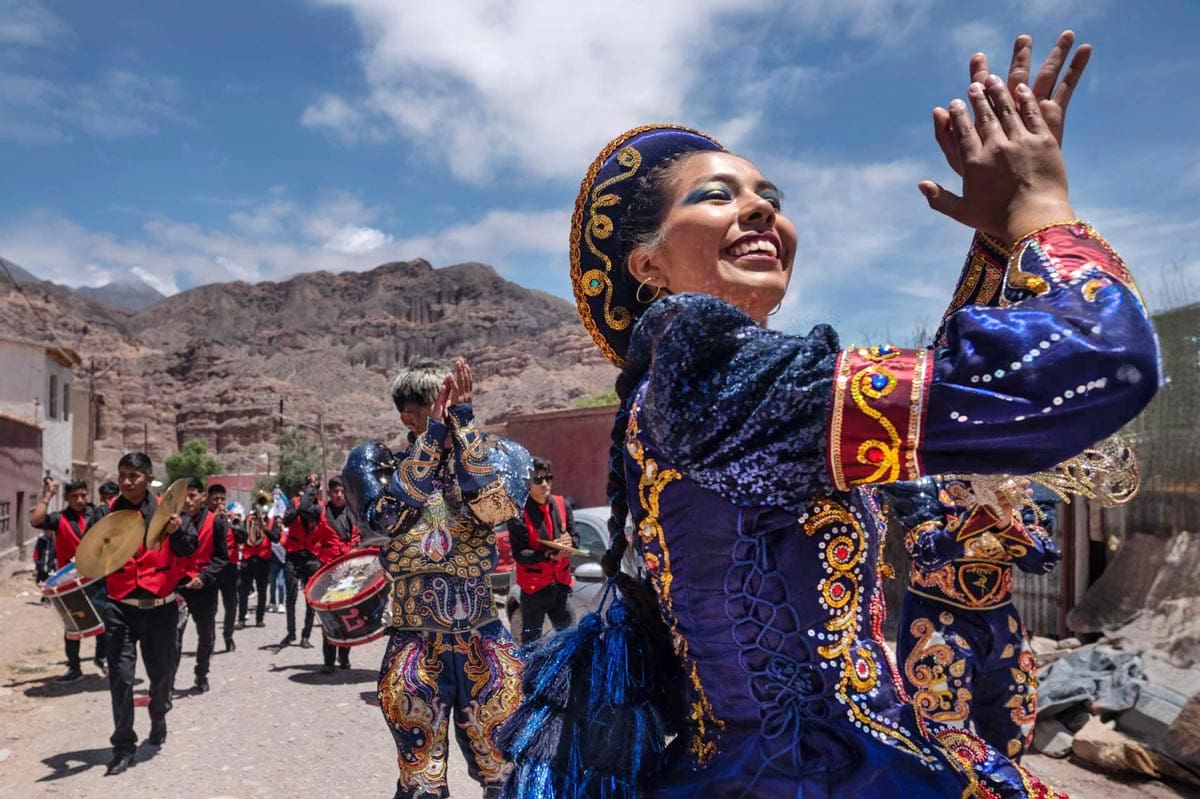
The Argentine Carnival takes place in February, with some of the country’s most photogenic celebrations happening in Gualeguaychú (Entre Ríos), Corrientes, and in the Quebrada de Humahuaca (Jujuy).
In Gualeguaychú and Corrientes, enormous parades with floats, costumes, and samba schools flood the streets. Bright colors, sequins, and feathers make it an ideal setting for vibrant photography, with fast shutter speeds needed to capture dancers in motion.
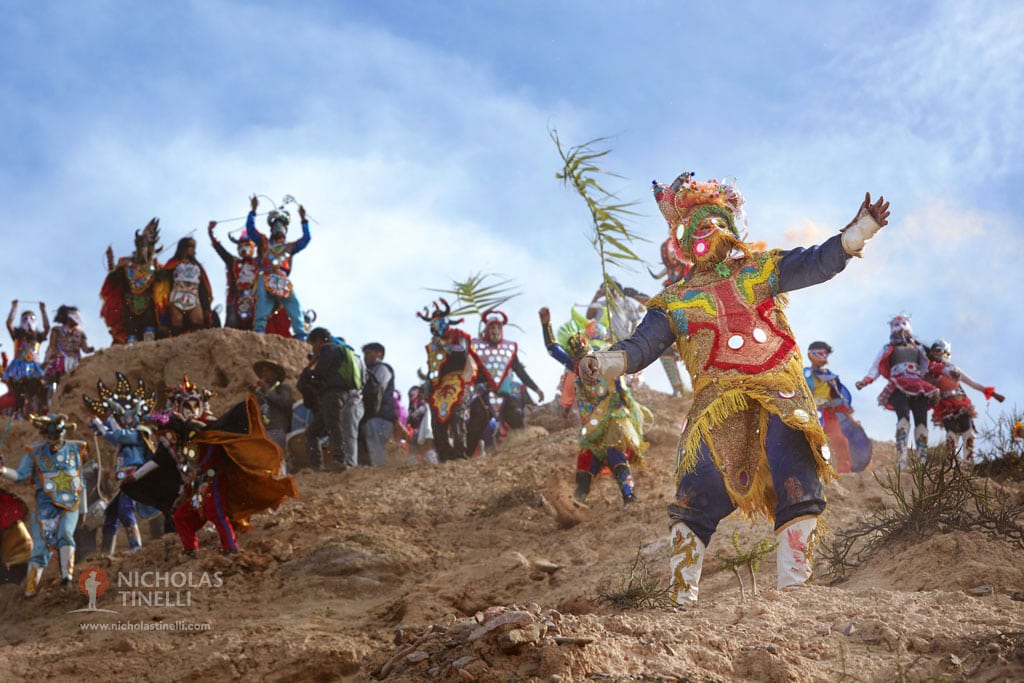
In Jujuy, the Humahuaca Carnival is deeply rooted in Andean tradition. The “Diablada” and the “desentierro del diablo” (the unearthing of the devil) feature masked figures, smoke, and offerings to Pachamama (Mother Earth). The atmosphere is a mix of sacred ritual and festive explosion, ideal for capturing cultural contrasts and raw expressions.
Día de la Pachamama: Ancestral Rituals in the Northwest
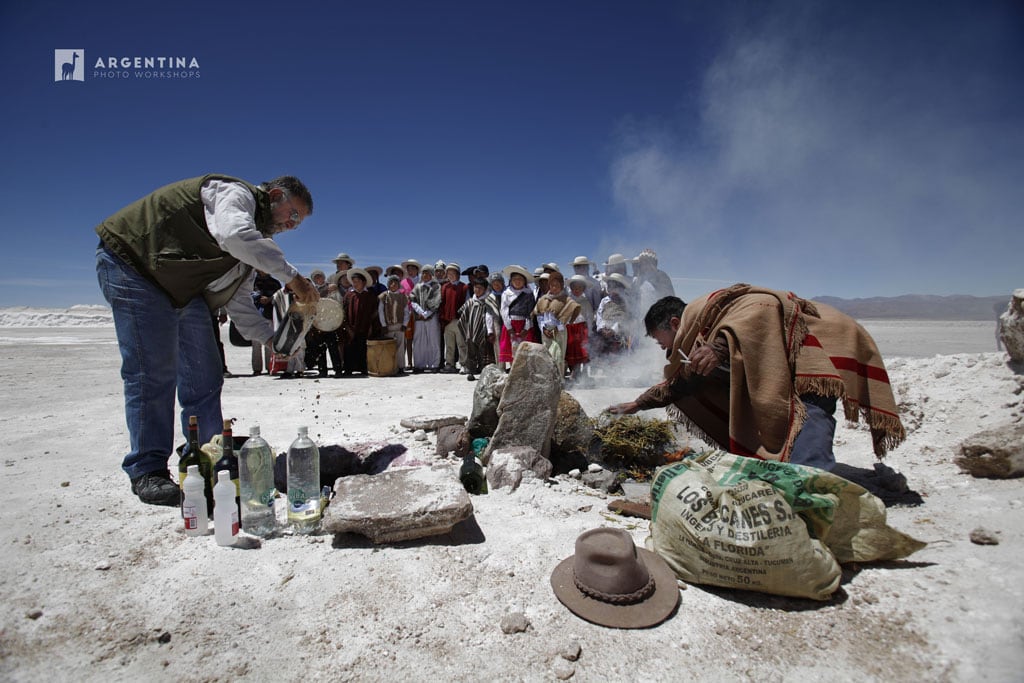
Every August, especially in Jujuy, Salta, and Catamarca, locals pay homage to Pachamama, the Andean Earth deity. Families and communities open small holes in the ground, known as “corpachadas,” where they offer coca leaves, food, and drinks.
For photographers, these ceremonies are powerful moments: elders leading prayers, colorful ponchos and hats, traditional “copleros“, smoke rising from incense, and the warm tones of the Andean highlands.
Fiesta Nacional de la Vendimia (Harvest Festival), Mendoza
Held in March, the Vendimia is one of Argentina’s most important festivals, celebrating the grape harvest and the winemaking tradition of Mendoza. Parades, fireworks, and folkloric performances culminate in an amphitheater show that combines dance, light, and music.
Photographers can focus on daytime parades with allegorical floats, portraits of the “Reina de la Vendimia” (Harvest Queen), and nighttime scenes with artificial lights. The backdrop of the Andes makes every frame even more iconic.
Festival Nacional del Folklore, Cosquín, Córdoba
In January, the city of Cosquín becomes the epicenter of Argentine folk music and dance. The main stage hosts some of the most famous folk artists, while the streets come alive with peñas (popular gatherings), guitar circles, and dancers.
For photography, this festival offers everything from intimate portraits of musicians strumming under streetlights to wide-angle shots of crowds dancing in traditional attire. Capturing details such as guitars, bombos legüeros (drums), and mate gourds adds authenticity to the visual narrative.
Fiesta del Chamamé, Corrientes
Every January, Corrientes hosts the most important celebration of Chamamé music, a genre rooted in Guaraní and Iberian traditions. Accordion, guitar, and dance dominate the scene.
Photographers can capture couples dancing in traditional dress, musicians in action, and the joyful expressions of festival-goers. Shooting video clips alongside stills can also work beautifully, as Chamamé is as much about sound and movement as it is about visuals.
Carnaval del País, Gualeguaychú
Although already mentioned under Carnival, Gualeguaychú’s Carnaval del País deserves its own highlight. It is considered Argentina’s largest carnival.
Immense energy, dazzling costumes, and choreographies make it a paradise for photographers who love fast-paced action and rich color palettes.
Fiesta de la Tradición en Areco
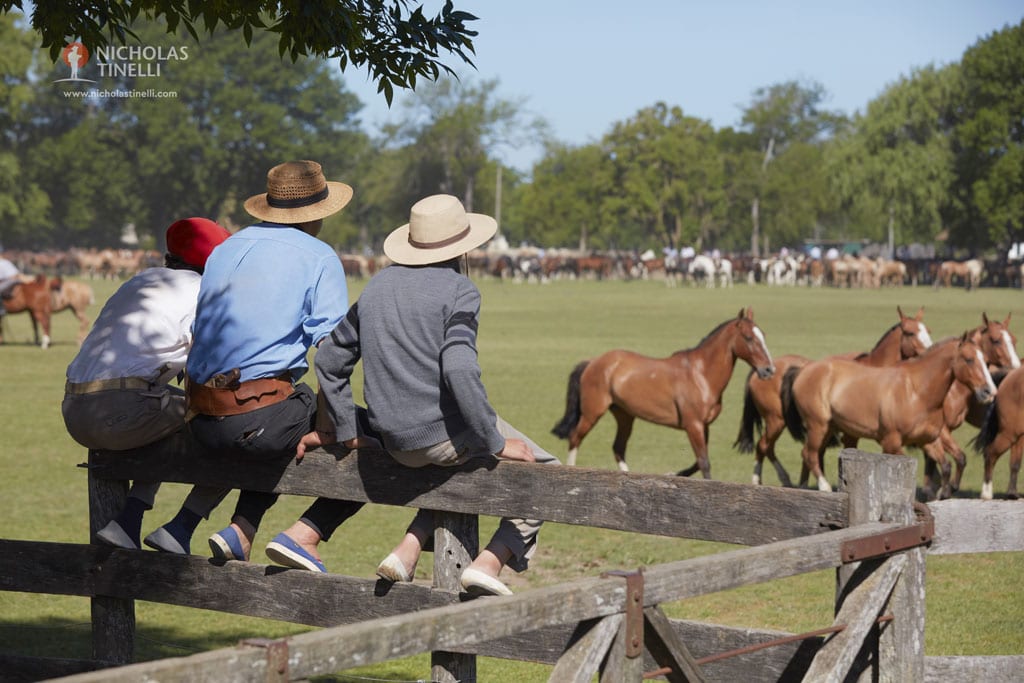
Every November, San Antonio de Areco, often called the “cradle of gaucho traditions,” hosts the Fiesta de la Tradición. This is one of the most authentic cultural experiences in Argentina, celebrating gaucho heritage with horseback parades, traditional music, folkloric dances, and rural skills demonstrations.
Photographers will find countless opportunities here: gauchos in wide-brimmed hats and bombachas (loose trousers), horses decorated with silver bridles, families gathered in estancias, and the town itself dressed in festive attire.
Tango Festival and World Cup, Buenos Aires
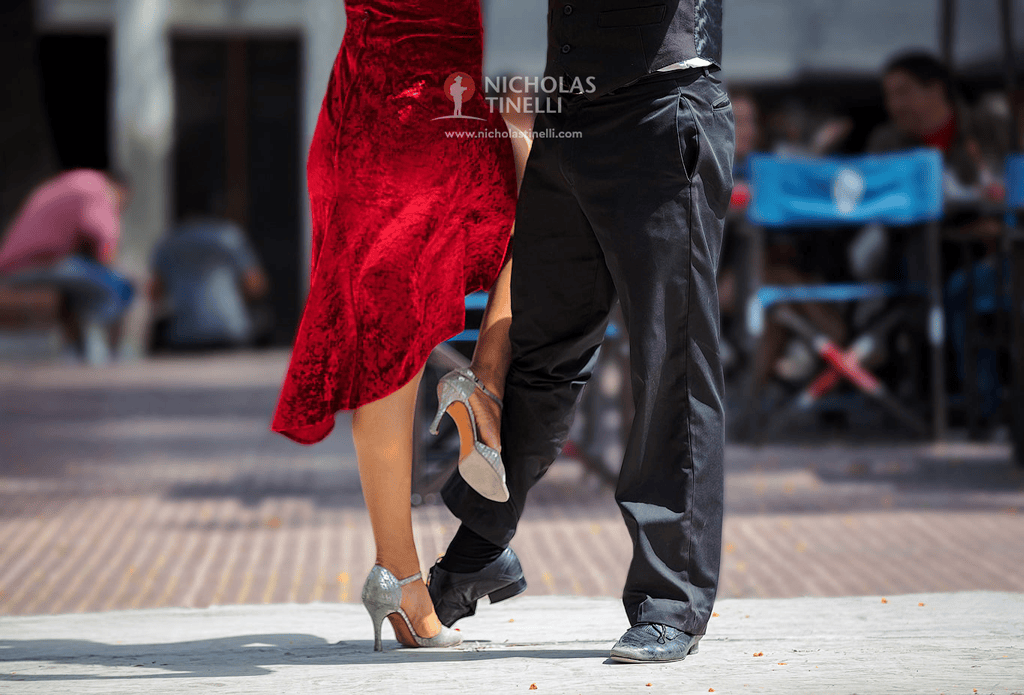
Each August, Buenos Aires becomes the world capital of tango during the Festival y Mundial de Tango. The event gathers the best dancers from Argentina and abroad, with performances in theaters, milongas (tango halls), and public plazas.
For photographers, tango offers dramatic imagery: close embraces, elegant costumes, dimly lit dance floors, and the intensity of competition. Wide shots of dancers silhouetted against stage lights or close-ups of hands intertwined can convey the passion and artistry of tango.
Practical Tips for Festival Photography in Argentina
Plan ahead – Check dates, as festivals often vary slightly each year.
Arrive early – The best shots are often before the official start, when participants are preparing.
Blend in – Respect traditions, especially during spiritual rituals like Pachamama offerings.
Play with light – Festivals move from day to night; adapt your settings for each scenario.
Look for details – Costumes, hands playing instruments, offerings, and facial expressions tell the deeper story.
Protect your gear – Crowds, dust, or rain can be challenging; bring lens cloths and covers.
Festival Photography Tours
Frequently Asked Questions
Not at all. Our photography tours are designed to work for every level — from complete beginners who simply want to take better travel photographs, to working photographers looking for local access and insider knowledge of the light.
We adjust our guidance entirely to whoever is with us. Some clients want technical instruction; others want to be positioned correctly and left to work. We read the group and respond accordingly. The only goal that stays constant is that you go home with images you’re proud of.
Mixed Group Tours bring together between 3 and 9 photographers.
Private tours are just your group — your own pace, your own guide, no one else’s schedule to follow.
Festivals in Argentina offer a mix of portraiture, action, landscape, and documentary photography, so a versatile kit is key.
Lenses (the most important choice)
A mid-range zoom like a 24-70mm f/2.8 is your workhorse — flexible enough for environmental portraits and wide establishing shots. Pair it with a 70-200mm f/2.8, which is arguably the most valuable lens for this work: it lets you shoot candidly from a distance without interrupting the action, and the compression flatters portraits beautifully.
A 50mm or 85mm prime at f/1.4–1.8 is worth considering for intimate shots.
Camera body
A full-frame body gives you the edge in low light for those early morning and dusk shots. Bring a backup body if possible.
Key accessories
- Extra batteries
- Lens hood
- Rocket blower and microfiber cloths
- Dry bags or a rain cover for your pack
Memory and storage
Shoot RAW. Bring more cards than you think you need and a portable SSD to back up each night.
Yes, and we enjoy it.
We have run photography experiences for groups ranging from two people to full photography clubs, travel journalists, and corporate teams.
Larger groups require more planning — multiple guides, staggered positions, coordinated logistics — but the result, when it works, is something special.
Send us your group size, your travel dates, and your collective interests, and we’ll put together a detailed proposal.
Book a Festival Photo Tour!
Tell us about your trip — where you want to go, when you can travel, what you want to photograph — and we’ll reply as soon as possible with a personalised itinerary and quote. All tours can be private. All programmes are flexible. The only fixed point is the quality of the experience we build for you.