
Wildlife Photography Workshops in Argentina
Guided Expeditions for the Passionate Nature Photographer
Argentina is a dream destination for passionate Wildlife Photographers eager to connect with nature and bring home powerful images of its extraordinary fauna. From the wetlands of the Iberá to the windswept coasts of Patagonia, these workshops are designed to combine technical learning with immersive travel, allowing you to refine your skills while experiencing the country’s most iconic landscapes and species.
Spanning sub-tropical marshlands, stark high-altitude deserts, and sub-Antarctic coastlines, Argentina offers an uncrowded frontier for photographers looking to move past standard safari imagery and capture truly unique behavioral shots.
Looking for a Private Tour?
We can modify the itineraries and duration according to your needs and travel dates.
WILDLIFE PHOTOGRAPHY WORKSHOPS & TOURS
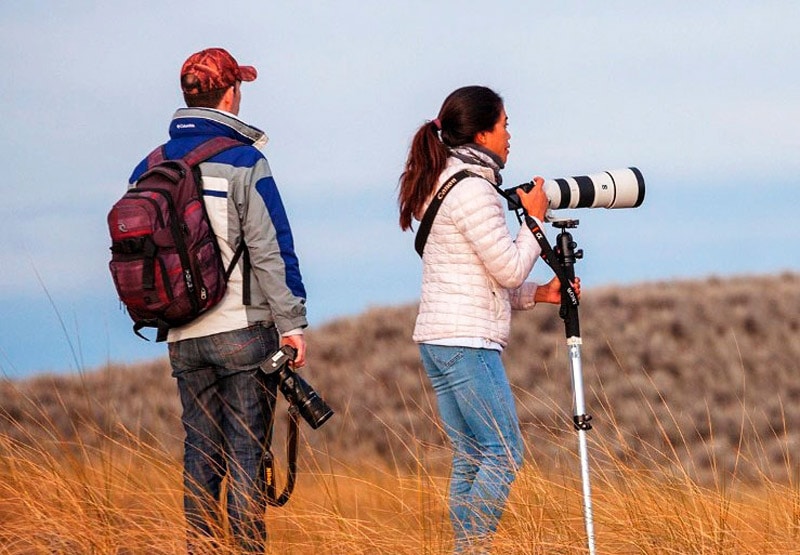
Private, Tailor-Made Photo Tours
We put an Experienced Team of Travel Experts, Local and Photography Guides at your disposal to design our Tailor-Made Private Photo Experience.
A Photography Travel Experience entirely focused on your interests, whether it is Nature, Wildlife, People, Architecture, Landscape, Documentary, or Street Photography.
You can choose from any of the Destinations we offer, from Buenos Aires to the Argentine Northwest, the Iberá Wetlands and Misiones, to the remote Patagonia and Tierra del Fuego.
If you have a destination in mind that is not listed on our website, please ask us. We respond quickly.
The APW Signature: Premium Service Add-ons
We elevate your Photography Expedition with services designed for the traveler seeking Comfort, Security, and Exclusivity in Argentina’s most remote corners.

Private 4x4 Transportation
Exclusive mobility in vehicles equipped for rugged terrain, ensuring safe access to remote locations in Patagonia or the Puna.

Curated Accommodations
A handpicked selection of boutique hotels and historic estancias that blend local charm with high-end comfort standards.

24/7 Bilingual Logistics
Full technical and coordination support in both Spanish and English throughout your journey for a completely stress-free experience.

Bird Photography in Mar Chiquita Lake (Ansenuza National Park)
Located in Córdoba province, this vast saline lake is one of the largest in South America and a sanctuary for birdlife. It is especially famous for its three species of flamingos—Andean, Chilean, and James’s flamingos—that gather here in large numbers, creating spectacular opportunities for photography.
Beyond flamingos, Mar Chiquita hosts over 300 bird species, including migratory shorebirds, black-necked swans, and raptors. The unique reflections on the lake at sunrise and sunset offer extraordinary light conditions, making it an essential destination for those interested in Birds Photography.
Wildlife of the Esteros de Iberá (Iberá Wetlands)
The Iberá Wetlands, in the province of Corrientes, form one of the largest freshwater ecosystems on Earth, spanning 1.3 million hectares. This is Argentina’s wildlife sanctuary par excellence: a labyrinth of lagoons, marshes, and floating islands.
A paradise for Wildlife Photographers that offer the chance to encounter capybaras grazing at the water’s edge, caimans basking in the sun, and marsh deer slipping quietly through the reeds. More than 350 species of birds paint the skies, from jabirus and herons to roseate spoonbills.
Iberá is also the stage for Argentina’s most ambitious rewilding project, with jaguars, giant otters, and anteaters returning to the ecosystem. For a Photographer, every sunrise offers a canvas of golden light reflecting across the wetlands, perfect for capturing both wildlife and landscapes images.

Península Valdés, wildlife of the Patagonian Coast
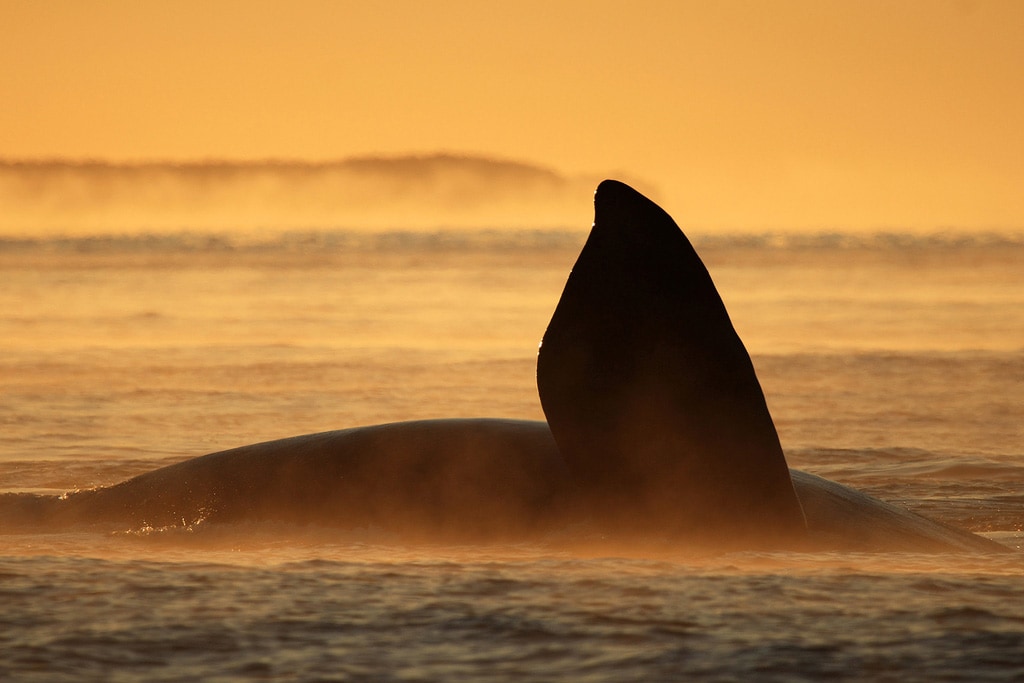
On Patagonia’s Atlantic coast, Península Valdés is a UNESCO World Heritage Site and one of the most dramatic places to photograph marine life. Its windswept cliffs, isolated beaches, and wild steppe form the backdrop for encounters with southern right whales, elephant seals, and orcas.
Between June and December, whales can be photographed breaching just meters from boats or even from the cliffs themselves. Orcas (Killer Whales) here are famous for their unique hunting technique of beaching intentionally to catch seals — an event both rare and unforgettable to witness.
Thousands of Magellanic Penguins nest along the shores, while cormorants and terns fill the skies. The power of nature feels close and unfiltered, making Península Valdés one of the crown jewels of wildlife photography in Argentina.
Tierra del Fuego & Ushuaia
At the southern tip of the continent, Tierra del Fuego offers a stark contrast: jagged mountains, forests of lenga and ñire, and the famous Beagle Channel.
This is where Wildlife Photographers encounter Magellanic and Gentoo penguins on Isla Martillo, black-browed albatross soaring above, and foxes or guanacos within the national park.
Ushuaia itself, known as the “end of the world”, is also a gateway to Antarctica, making it a symbolic destination for any photographer. The light here, especially in the long summer evenings, is soft and dramatic, perfect for both landscapes and wildlife. Few places combine such a sense of remoteness with such photographic richness.

Wildlife Photography in the Argentine Northwest (Puna & Andes)
The high-altitude deserts of the Argentine Puna are as challenging as they are beautiful. Towering volcanoes, vast salt flats, and vividly colored lagoons make the landscapes surreal, almost otherworldly.
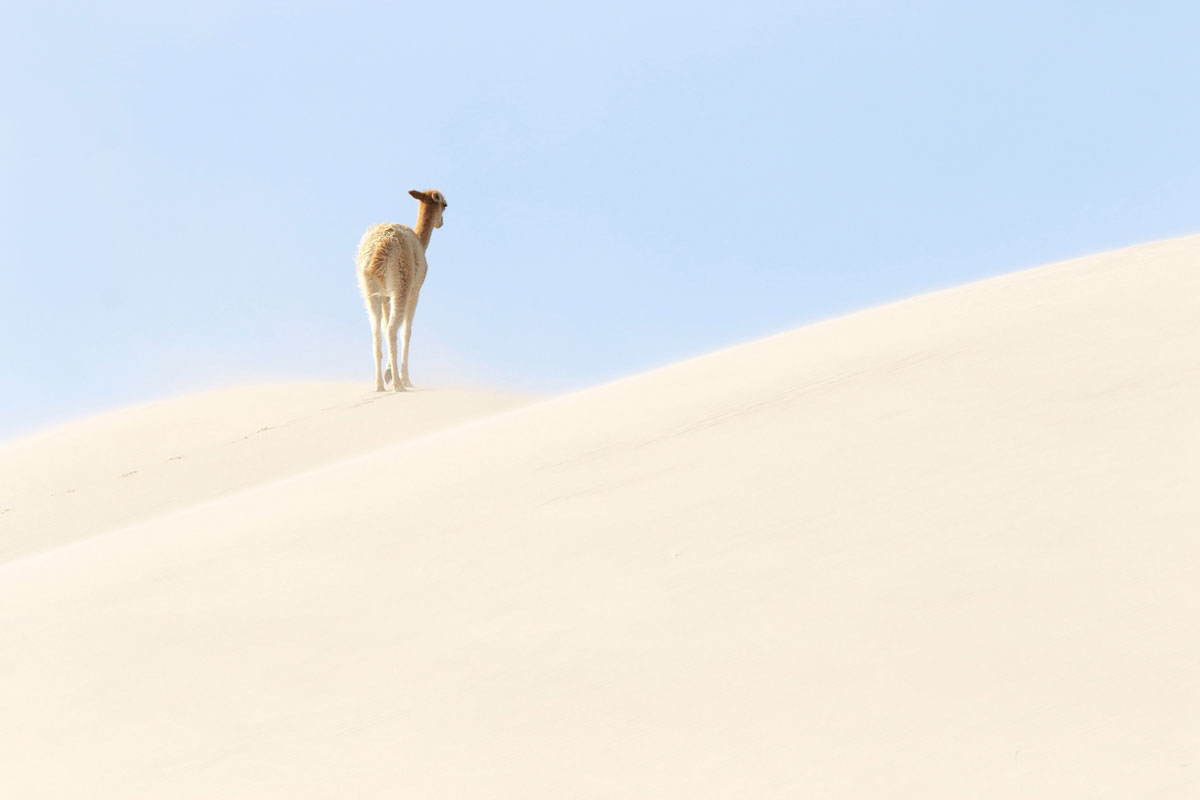
Wildlife thrives against these harsh conditions: vicuñas move in elegant herds, and flamingos gather in lagoons. Photographing here requires patience and respect for the altitude, but the rewards are immense: images that capture not just wildlife, but the profound relationship between life and a seemingly inhospitable land. For many photographers, the Puna becomes one of the most unique experiences of their careers.
Why Take Part in Wildlife Photo Workshops
A Wildlife Photography Workshop in Argentina offers more than just technical instruction. It’s a chance to immerse yourself in unique environments, guided by a photographer who knows the place, anticipate animal behavior, and position you for the best shots.
You will learn not only how to get the most out of your photography, but also how to build stories through your images — stories of conservation, resilience, and the fragile beauty of the natural world.

Practical Tips for Wildlife Photography
Patience is Essential: Animals move at their own pace. Wait quietly and allow them to reveal their behavior.
Work with Natural Light: Dawn and dusk often provide the best conditions, both for atmosphere and for wildlife activity.
Know Your Subject: Understanding animal habits increases your chances of capturing unique moments.
Respect Nature: Keep distance, avoid sudden movements, and never disturb the environment. Great shots come from coexistence, not intrusion.
Be Ready: Wildlife encounters are often fleeting. Use continuous autofocus, fast shutter speeds, and burst mode when necessary.
Wildlife Photography Tours
Frequently Asked Questions
Not at all. Our photography tours are designed to work for every level — from complete beginners who simply want to take better travel photographs, to working photographers looking for local access and insider knowledge of the light.
We adjust our guidance entirely to whoever is with us. Some clients want technical instruction; others want to be positioned correctly and left to work. We read the group and respond accordingly. The only goal that stays constant is that you go home with images you’re proud of.
Mixed Group Tours bring together between 3 and 9 photographers.
Private tours are just your group — your own pace, your own guide, no one else’s schedule to follow.
When shooting wildlife across Argentina’s diverse habitats—from tracking elusive pumas on the dusty Patagonian steppe to drifting past caimans in the Iberá Wetlands—your gear needs to balance reach, speed, and environmental protection.
Here is a breakdown of the essential camera equipment you should pack for a wildlife photography workshop.
1. Camera Bodies: Speed and Reliability
Wildlife moves fast, and conditions can be harsh. Having the right body—and a backup—is crucial.
Primary Body: Look for a mirrorless or DSLR body with excellent tracking autofocus (ideally with animal eye-detection) and a fast burst rate (at least 10 to 20 fps). High-resolution sensors (45MP+) are incredibly valuable here, as they allow you to crop into distant subjects without losing critical detail.
Backup Body: Never go on a remote expedition with just one camera. If a body fails due to dust, moisture, or a mechanical issue, your trip isn’t ruined. A secondary body also allows you to keep a shorter lens mounted so you don’t have to swap lenses in dusty environments.
2. Lenses: The Core Toolkit
You will want a mix of long telephoto reach and flexible zooms to capture both intimate behavior shots and wide environmental portraits.
The Workhorse (Super-Telephoto Zoom): A lens like a 100-400mm or a 180-600mm is perfect for Argentina. It gives you the flexibility to frame a penguin up close on the beach or zoom out to include the dramatic Patagonian mountains behind a herd of guanacos.
The Low-Light Prime (Optional but Ideal): A fast 300mm f/4 or 400mm f/2.8 prime lens is a game-changer during the golden hours. Wildlife is most active at dawn and dusk when light is scarce; that extra aperture depth helps keep your ISO low and your shutter speeds fast.
The Environmental Zoom: A standard 24-70mm or 70-200mm is essential. You don’t want to miss the context—a lone puma silhouetted against a massive landscape requires a wider perspective than a tight headshot.
3. Support and Stability
Holding a heavy telephoto lens all day is exhausting, and camera shake will ruin sharp images.
Monopod vs. Tripod: A sturdy carbon-fiber tripod with a gimbal head is excellent for static setups or shore-based shooting (like waiting for orcas or elephant seals). However, if you are shooting from a moving watercraft or zodiac in the wetlands, a monopod is often much more maneuverable and takes up less space.
Beanbag: An empty safari beanbag (which you can fill with rice or beans upon arrival) is incredibly useful for stabilizing your lens on boat railings or vehicle windows.
4. Protection Against the Elements
Argentina’s landscapes will test your gear. Patagonia is famous for intense winds and fine grit, while the wetlands bring humidity and sudden downpours.
Rain & Dust Covers: Bring dedicated, fitted rain covers for your camera and long lenses. They protect against splashing water on boats and stop fine Patagonian dust from jamming control dials.
Cleaning Kit: Pack a high-quality blower (like a Rocket Blower), pre-moistened lens wipes, and multiple microfiber cloths.
Rule of thumb: Avoid changing lenses in the field if it’s windy; do it inside your transport or lodging to keep your sensor clean.
5. Power and Storage
Batteries: Mirrorless cameras eat batteries quickly, and cold Patagonian mornings will drain them even faster. Bring at least 3 to 4 spare batteries and keep the extras in an inside jacket pocket close to your body heat.
Memory Cards: High burst rates generate massive amounts of data. Bring fast, high-capacity cards (CFexpress or high-speed SD) and a rugged external hard drive to back up your images every single evening.
Yes, and we enjoy it!
We have run photography experiences for groups ranging from two people to full photography clubs, travel journalists, and corporate teams.
Larger groups require more planning — multiple guides, staggered positions, coordinated logistics — but the result, when it works, is something special.
Send us your group size, your travel dates, and your collective interests, and we’ll put together a detailed proposal.
Book a Wildlife Photo Workshop!
Tell us about your trip — where you want to go, when you can travel, what you want to photograph — and we’ll reply as soon as possible with a personalised itinerary and quote. All tours can be private. All programmes are flexible. The only fixed point is the quality of the experience we build for you.