When you look at professional portfolios of the White Continent, you see a breathtaking world of infinite variety. But when many photographers actually arrive, they run into an unexpected creative wall about three days into their cruise. They realize that after hours of photographing monumental icebergs and sweeping glaciers, their images are all starting to look identical.
The sensory overload of Antarctica can easily lead to “snow blindness” in your compositions. When everything in your viewfinder is white snow, blue ice, and dark water, the brain struggles to find structure. Without a deliberate artistic strategy, the immense scale of the landscape flattens out, and the frame loses its emotional impact.
Mastering Polar Photography isn’t just a matter of technical camera settings—it is a challenge of visual artistry. This guide focusing on Antarctica Landscape Photography Tips moves past the gear checklists to teach you how to read the unique geometry, light, and textures of the far south, transforming repetitive snapshots into fine-art compositions.
1. Establishing Scale: The Power of Contextual Anchors
The sheer size of the landscape on the Antarctic Peninsula is deceptive. Because the air is completely pristine and free of pollution, your eyes can see for dozens of miles with absolute clarity. This lack of atmospheric haze, combined with a total absence of familiar reference points like trees, buildings, or telephone poles, makes it impossible for the viewer’s eye to judge size. A glacier wall might be 20 feet high, or it might be 200 feet high.
Introduce Sub-Anchors: To convey true majesty, you must introduce a known point of reference into your frame. A solitary Zodiac excursion boat navigating beneath a towering ice shelf instantly gives the viewer an emotional baseline for scale.
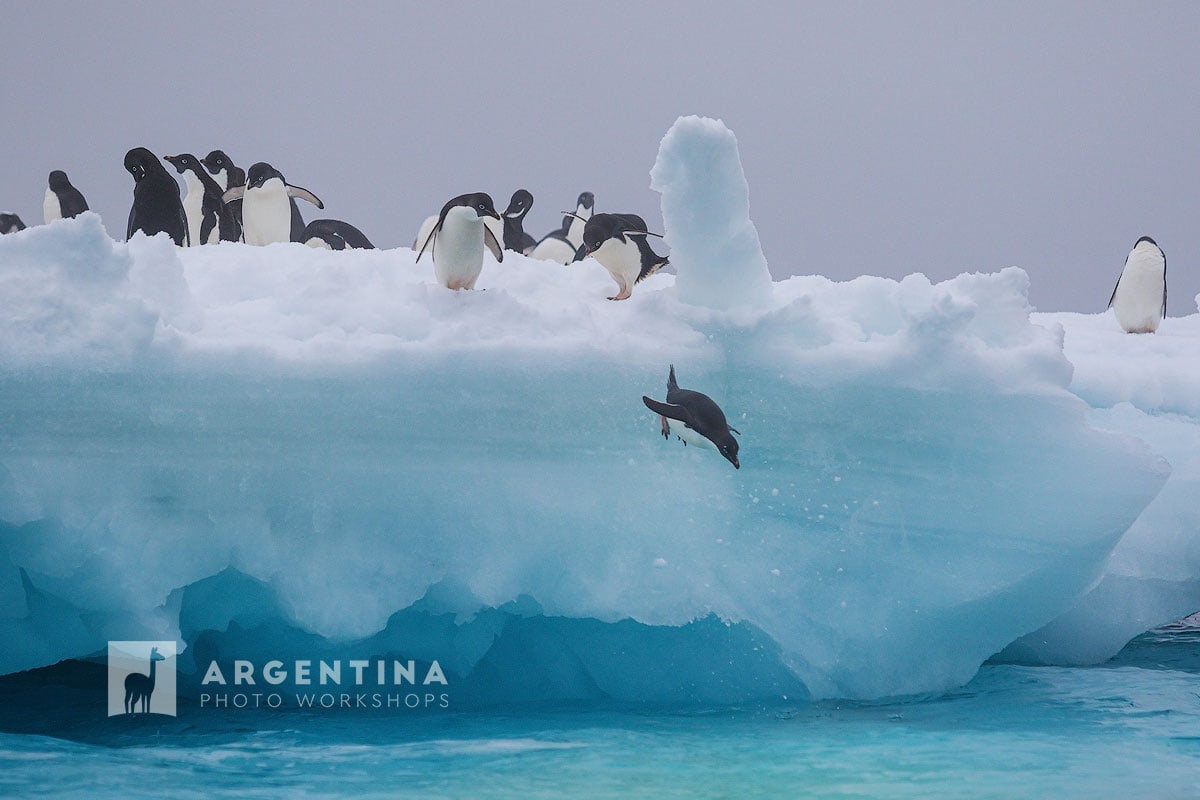
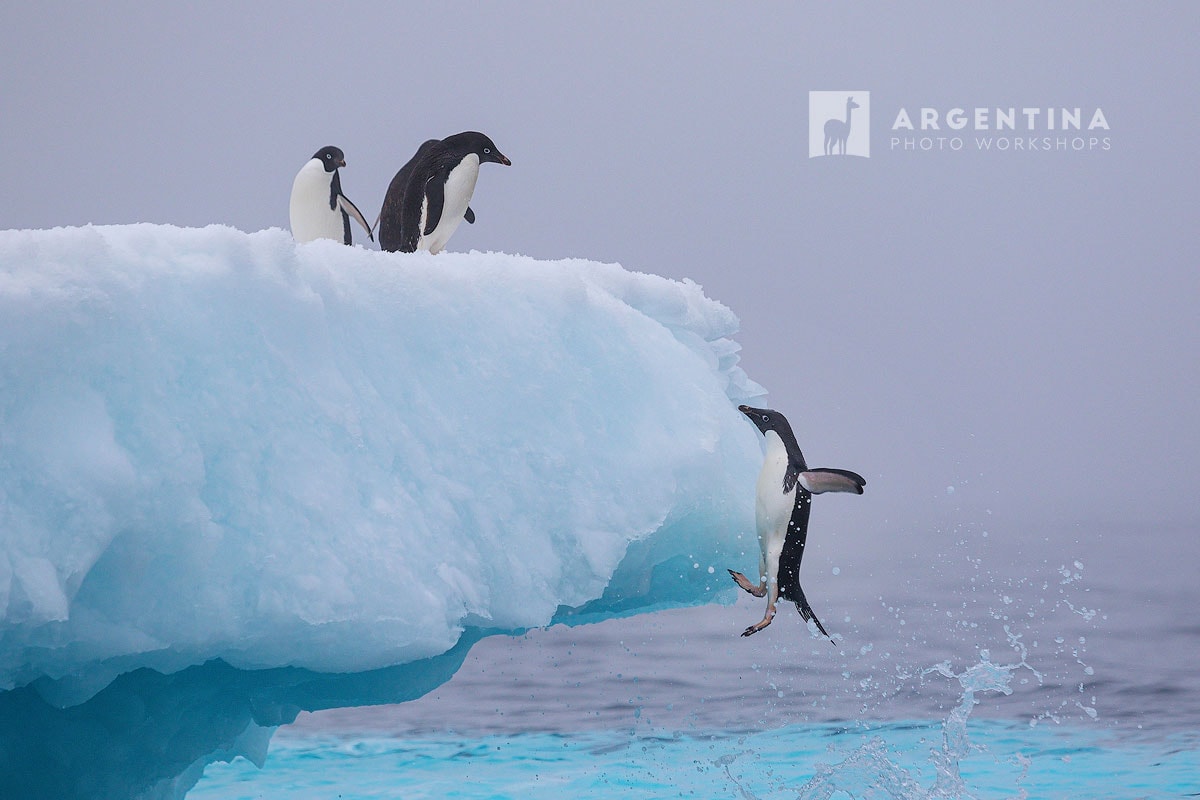
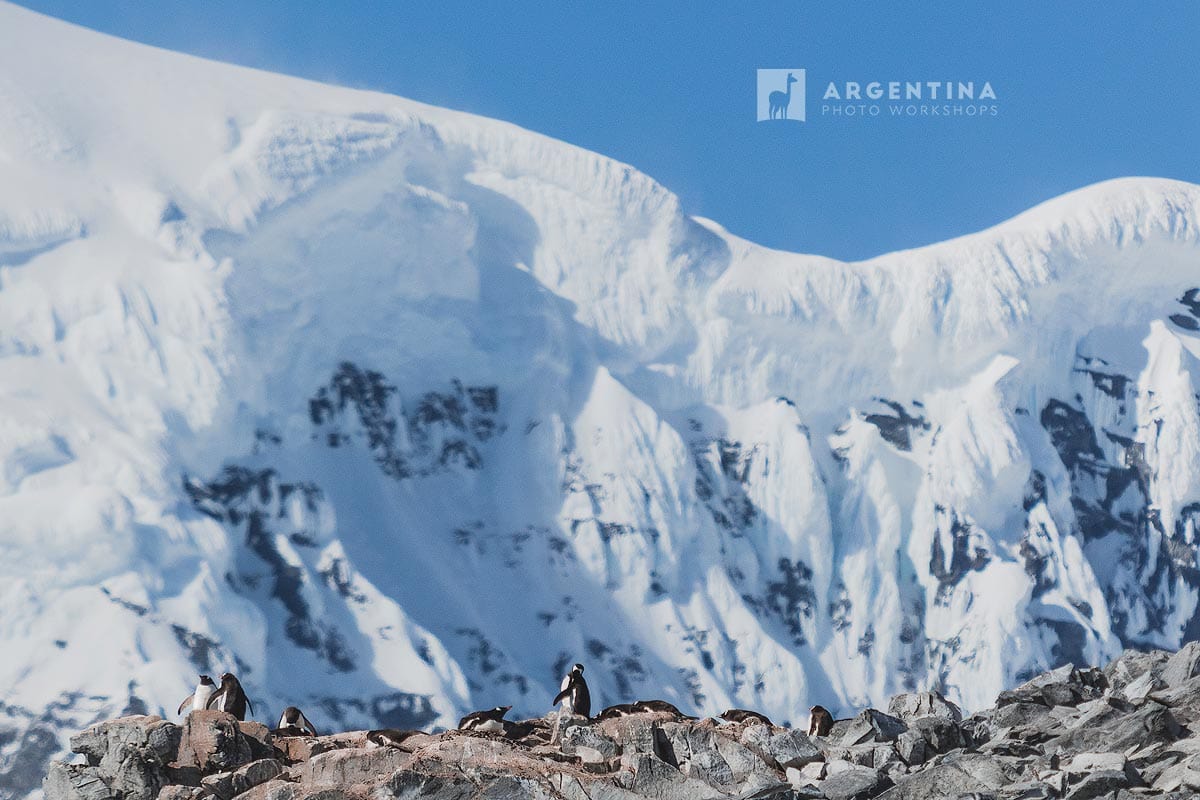
The Wildlife Silhouette: Look for opportunities where a lone penguin or a small colony is positioned on the edge of a massive tabular iceberg. By rendering the wildlife small in the frame, you emphasize the vast, isolating grandeur of the polar wilderness.
2. Antarctica Landscape Photography Tips: The Vessel as a Narrative Tool
Many photographers try to keep the ship or the rubber transit boats completely out of their frames, aiming for an illusion of untouched exploration. However, incorporating these physical elements can provide invaluable context and visual structure.
The Zodiac Prow Leading Line: When navigating fields of brash ice, use the dark, geometric bow of the Zodiac boat at the bottom of your frame. It acts as a powerful leading line that pulls the viewer’s eye directly into the icy fjord, while capturing the visceral feeling of being on an active expedition.
The Ship Railing Portal: When shooting from the main decks during transits through narrow channels like the Lemaire Strait, use the lines of the ship’s railing, portholes, or the silhouette of the bow to frame the approaching mountain walls. This contrast between industrial symmetry and raw, chaotic nature creates a compelling narrative layer.
3. Minimalist Abstracts: Isolating Color, Shape, and Texture
Antarctica is a masterclass in minimalism. If you treat the landscape solely as a collection of wide, panoramic vistas, you miss the intricate details that make the region so unique.
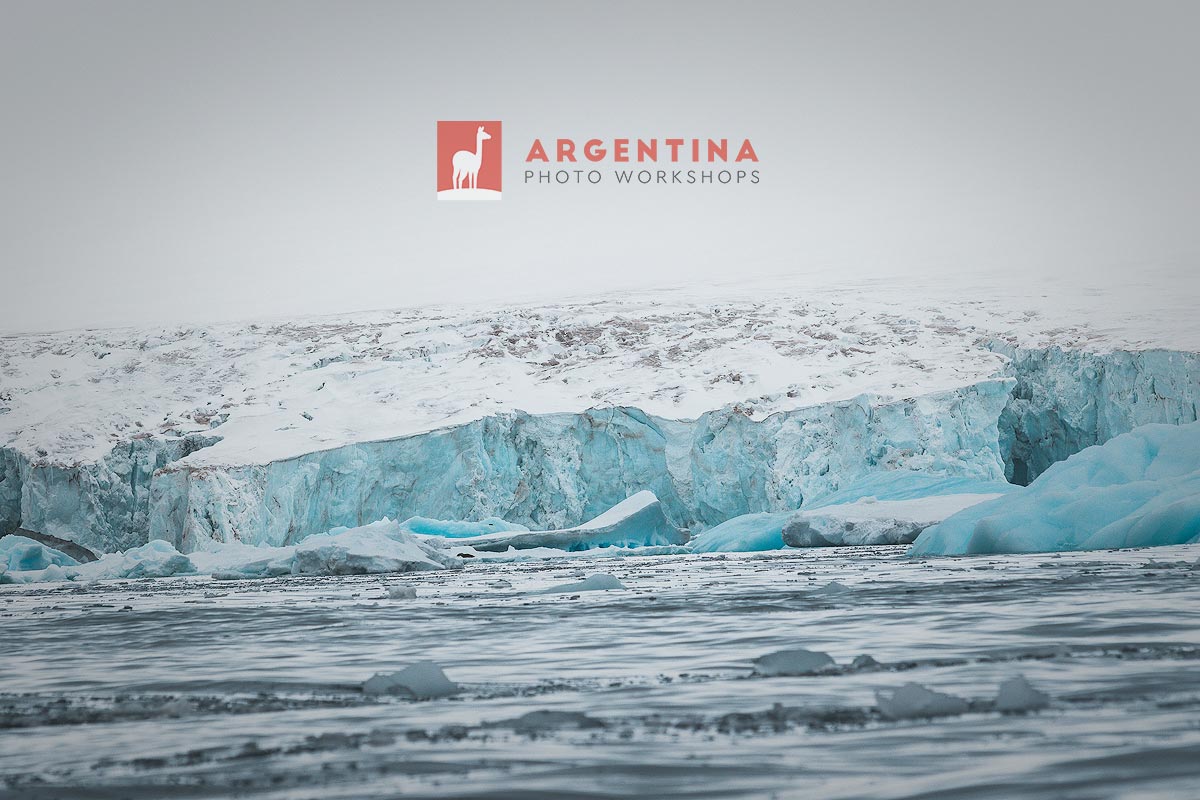
Isolating Blue Ice Textures: Ancient, highly compressed glacial ice absorbs longer wavelengths of light and reflects a deep, brilliant turquoise. Instead of shooting the whole iceberg, use your telephoto lens to isolate the abstract patterns, deep crevasses, and wind-sculpted dimples within the ice. Look for high-contrast edges where the deep blue ice meets a pristine white snow crust.
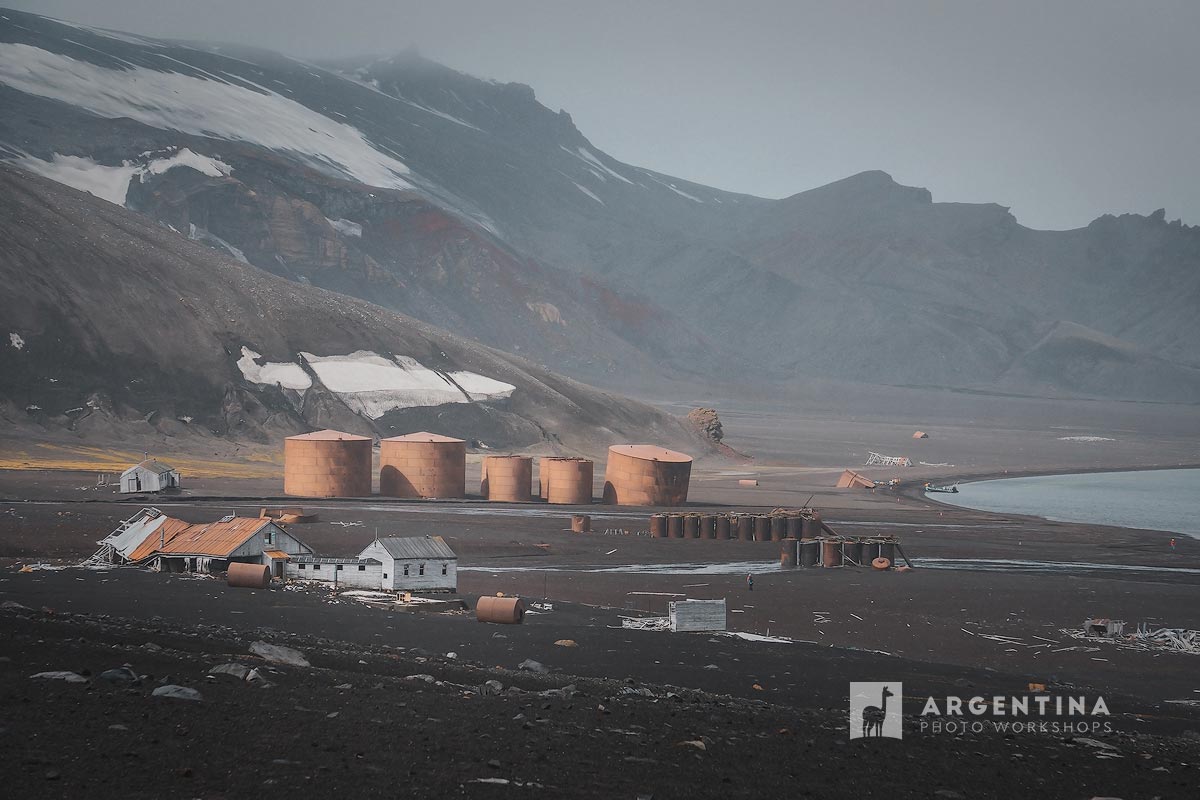
Monochromatic Geometry: On overcast days—which are incredibly common in the South Shetland Islands—the world loses its color saturation entirely. Embrace this. Switch your creative mindset to black-and-white or high-contrast monochrome. Focus entirely on the graphic lines of dark volcanic rock cutting through brilliant white snowfields, treating the landscape as an abstract ink painting.
4. Chasing the Low Light: The Long Sub-Polar Golden Hours
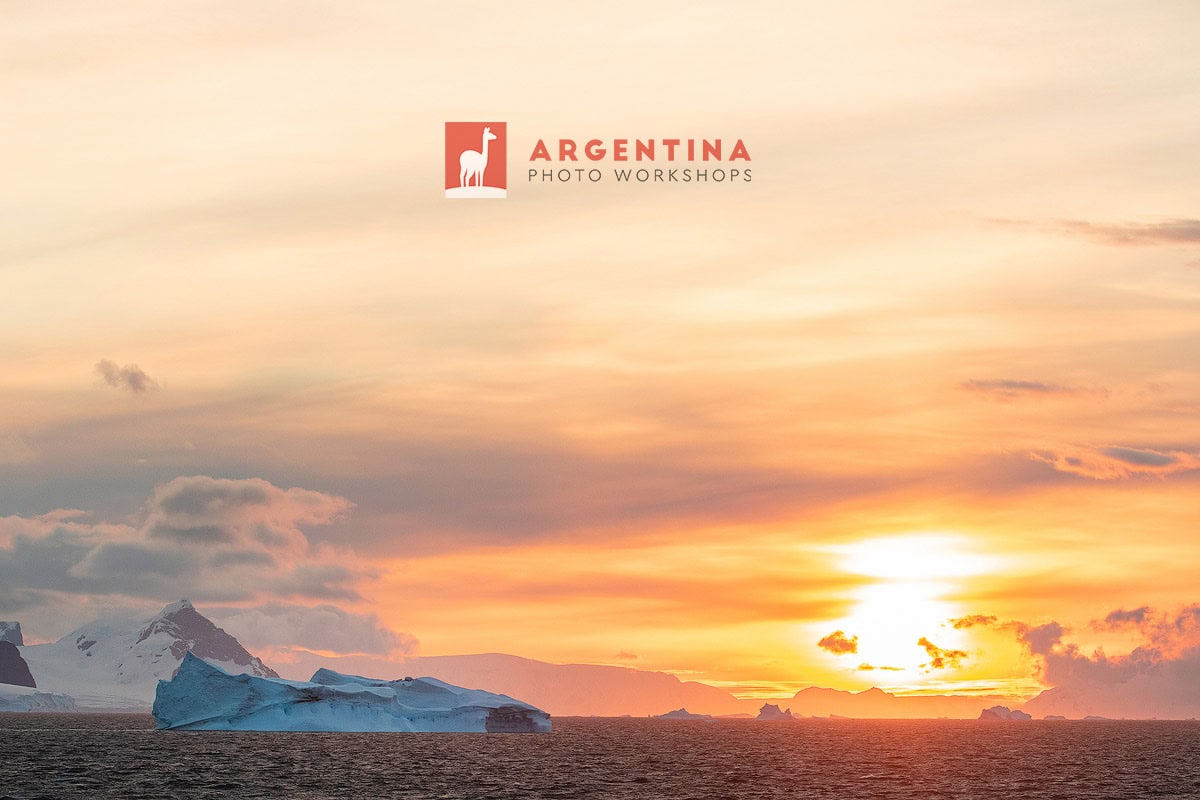
Because of Antarctica’s position at the bottom of the globe, the sun during the peak summer cruise season never truly sets; instead, it tracks low along the horizon. This creates extended, sweeping golden hours that can last for hours at a time, providing some of the most dramatic lighting conditions on earth.
Sidelighting for Texture: When the sun is low, the light hits the snow banks and ice sheets at a sharp angle. This direct sidelighting casts long, dramatic shadows that reveal the delicate, hidden textures of the landscape that disappear under midday sun.
The Backlit Glow: Position yourself so that floating icebergs are backlit by the low sun. Because ice is translucent, backlighting makes the edges of the bergs glow like neon signs, creating a stark, ethereal separation from the dark, brooding ocean waters beneath them.
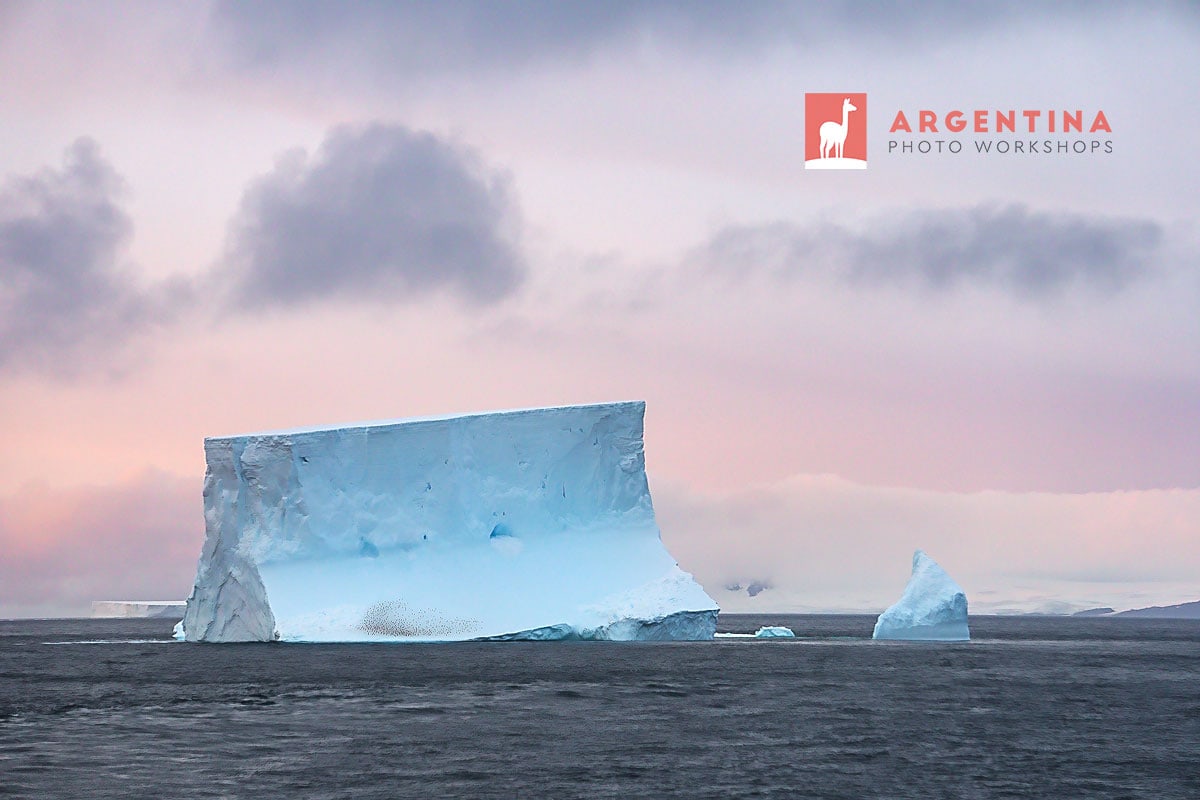
5. Photography Composition: Leading Lines, Curves, and the Rule of Thirds
When you are surrounded by an endless expanse of ice and water, your composition needs a strong geometric framework to prevent it from looking chaotic or flat. By intentionally utilizing leading lines, natural curves, and the rule of thirds, you create a visual map that guides the viewer’s eye exactly where you want it to go.
Exploiting Natural Leading Lines: In a landscape devoid of roads or fences, you must look for organic leading lines to create depth. Use the jagged edges of a advancing tidal crack in the sea ice, the sharp ridge lines of a nunatak (a mountain peak piercing through a glacier), or the dark waterline where a massive ice shelf meets the ocean. Position these lines so they diagonal across your frame, drawing the eye from the foreground into the distant background.
The Grace of Polar Curves (S-Curves): Antarctica is a world sculpted by wind and water. Look for the fluid S-curves found in the wind-blown snow drifts (sastrugi) on the shore, or the elegant, curved arches of eroded icebergs. S-curves add a sense of movement and grace to your frame, balancing out the harsh, jagged geometry of the volcanic rock faces commonly found in the South Shetland Islands.
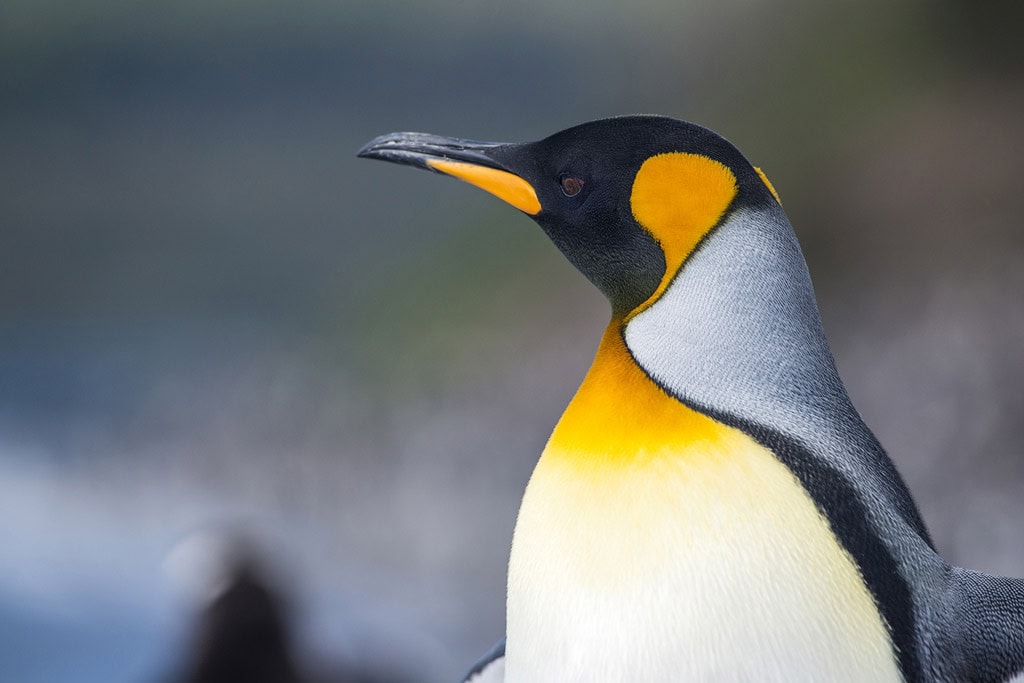
Reimagining the Rule of Thirds in the Far South: The classic rule of thirds is your best weapon against flat, boring horizons. Instead of placing the horizon dead-center, deliberately allocate two-thirds of your frame to the dramatic, heavy storm clouds if the sky is active, or two-thirds to the textured brash ice in the water below if the sky is clear. When photographing solitary wildlife, like a lone King Penguin, place the animal precisely at one of the four intersection points of your grid, allowing its gaze to look into the open, empty space of the remaining two-thirds of the frame to emphasize isolation.
6. The Visual Warm-Up: Practice Your Photography in Ushuaia
Developing a sophisticated creative eye, learning to isolate abstract shapes, and instantly spotting compelling frames in a fast-moving environment takes practice. If you wait until you are standing on the ice surrounded by thousands of squawking penguins to refine your composition style, you will likely default to safe, repetitive snapshots.
Since almost all polar expeditions require a mandatory 24-to-48-hour buffer stay in Ushuaia to safeguard itineraries against flight delays, you have the ultimate creative asset right at your doorstep.
By joining a dedicated Professional Ushuaia Photographer for a private, field-driven masterclass, you convert your waiting days into a high-yield visual warm-up for the White Continent.

Our Private Photo Tours in Ushuaia and custom Photography Tours in Tierra del Fuego are designed specifically to train your creative eye before you ever cross the Drake Passage. We bypass basic gear tutorials and head straight into the dramatic, wind-scoured coastlines and jagged vantage points to build your visual vocabulary:
Mastering Minimalism: We use the stark, desolate shores of historic estancias to practice isolating subjects, managing negative space, and handling high-contrast light.
Reading Scale and Context: At the breathtaking heights of Paso Garibaldi, we practice using mountain silhouettes and leading lines to convey depth and immense scale across vast landscapes.
Predicting Behavior and Frame Lines: We work 1-on-1 on local marine bird colonies to practice tracking movement, choosing background layers, and framing dynamic wildlife actions smoothly.
Partnering with an experienced photographer in Ushuaia gives you the ultimate creative edge. When your ship finally enters polar waters, you won’t be overwhelmed by the “big white.” Your eye will be fully adjusted to the unique sub-polar light, your creative vision will be sharp, and you will be ready to execute a deeply artistic, museum-grade portfolio.