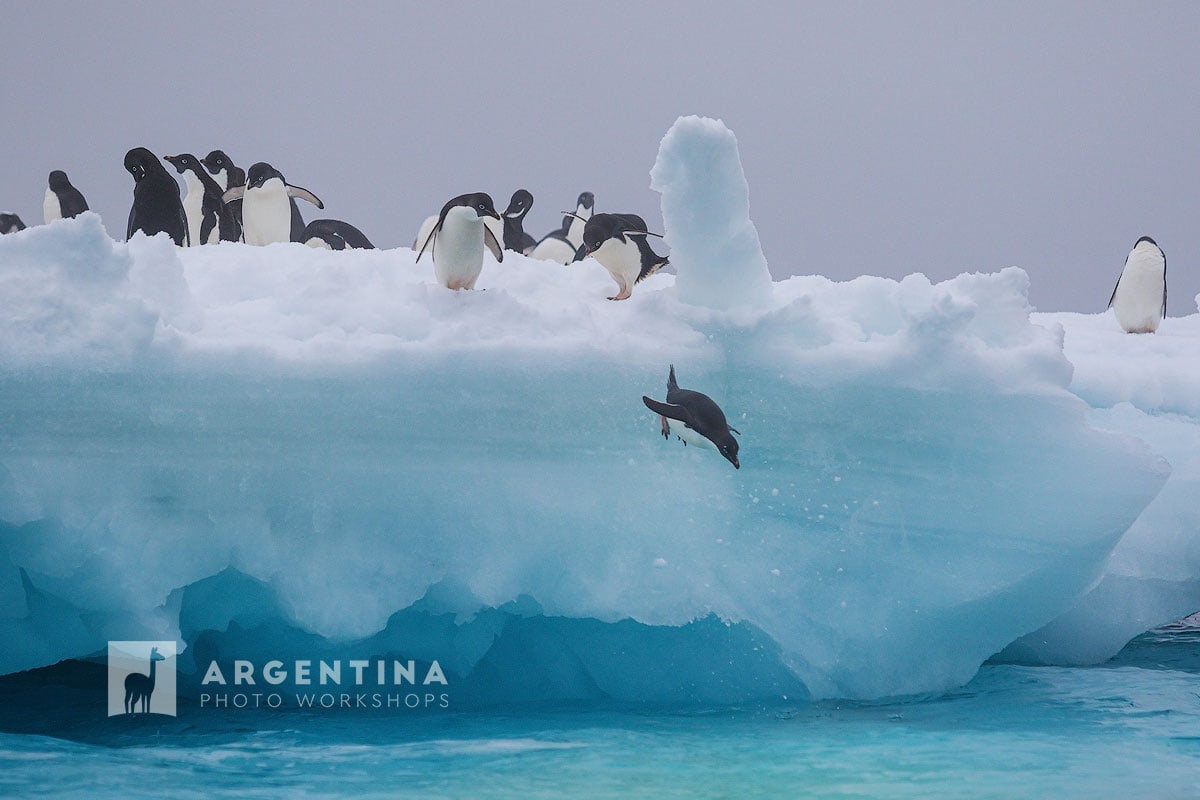
For any serious photographer, packing for the Great White Continent is an exercise in brutal curation. You are preparing to visit one of the most visually spectacular corners of the planet, but you must do so within the strict physical confines of expedition travel.
The question isn’t just about what gear will capture the best images—it’s about what gear you can physically manage while stepping off a rolling rubber boat onto a rocky shoreline covered in nesting penguins.
Among all the gear decisions you face, selecting the Best Lens for an Antarctica Cruise is the most critical. If your focal lengths are too short, the region’s iconic wildlife will remain distant specks in your frame. If your lenses are too heavy or numerous, you will find yourself exhausted, struggling with gear transitions in sub-zero winds.
This definitive Photography Gear for Antarctica Cruise guide breaks down the essential focal lengths required for a polar expedition, the impact of international weight restrictions, and how to optimize your bag for the trip of a lifetime.
1. Wildlife Regulations for Photographers in the Antarctica
The first mistake many uninitiated photographers make is assuming that because Antarctic wildlife has little natural fear of humans, they can rely entirely on intermediate lenses.
In reality, all reputable cruise operators adhere strictly to IAATO (International Association of Antarctica Tour Operators) guidelines. These regulations are legally binding and strictly enforced by expedition guides on the ground.
The 5-Meter Base Rule: According to official guidelines, visitors must maintain a baseline minimum distance of 5 meters (16 feet) from penguins on foot. This allows you to observe natural behaviors without causing stress to the nesting colonies.
Extended Boundaries for Marine Mammals: For larger or more aggressive wildlife, the safety zones expand significantly. You must maintain at least 15 meters (50 feet) from fur seals—who can move surprisingly fast on land and are highly territorial—and at least 25 meters (80 feet) from massive southern elephant seals to ensure both your safety and theirs.
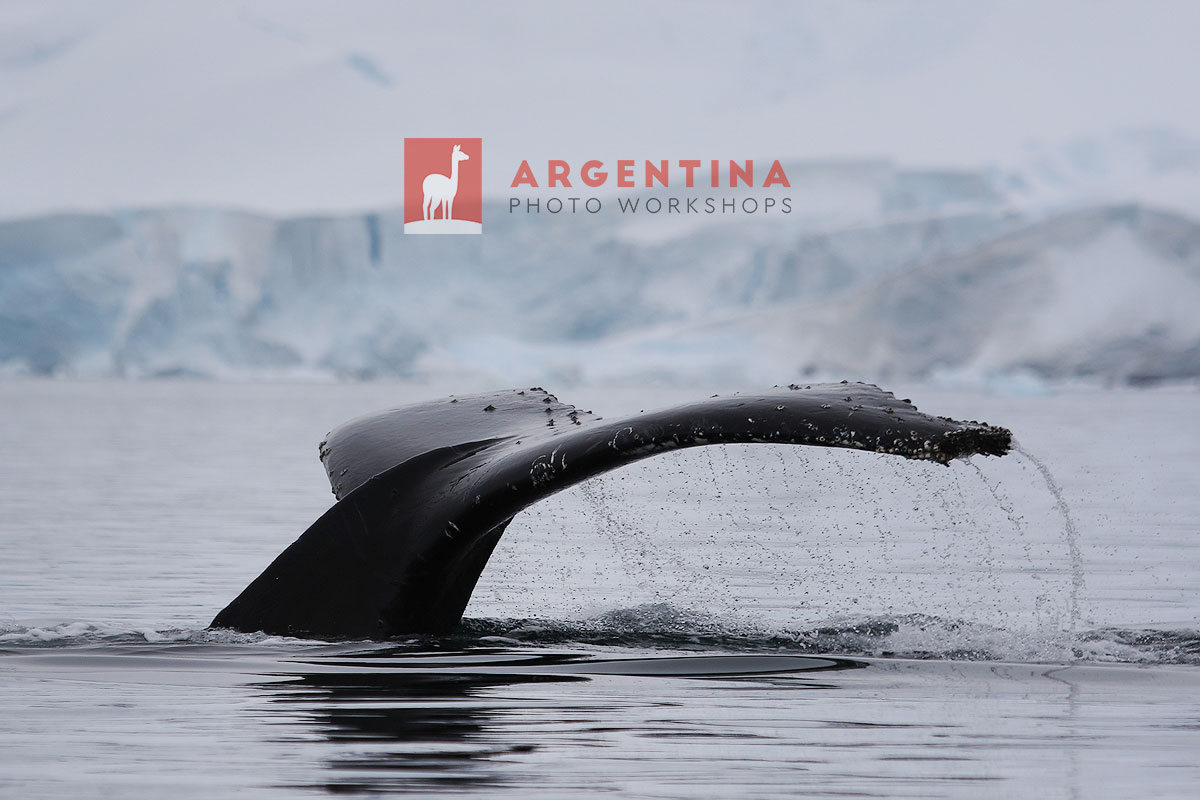
Zodiac and Marine Wildlife Distances: When you are shooting from a Zodiac or the main vessel, water-based guidelines require boats to maintain a distance of at least 100 meters (300 feet) from whales and marine mammals, moving down to a minimum of 50 meters (150 feet) for seals on ice floes, unless the animals choose to approach the stationary boat on their own.
The Implications for Gear:
Because you cannot use your feet to get closer, your optics must do the heavy lifting to bridge the physical gap. For many seasoned polar expedition photographers, a high-quality 70-200mm is considered the absolute sweet spot for this environment. It offers unmatched edge-to-edge optical sharpness, a fast aperture, and a lightweight form factor that is easy to stabilize by hand while standing on a rocking boat.
The Power of High-Resolution Cropping:
Rather than carrying a massive, cumbersome 600mm prime lens that is nearly impossible to keep steady during choppy Zodiac excursions, utilizing a sharp 70-200mm on a high-resolution modern camera sensor gives you the ultimate field advantage.
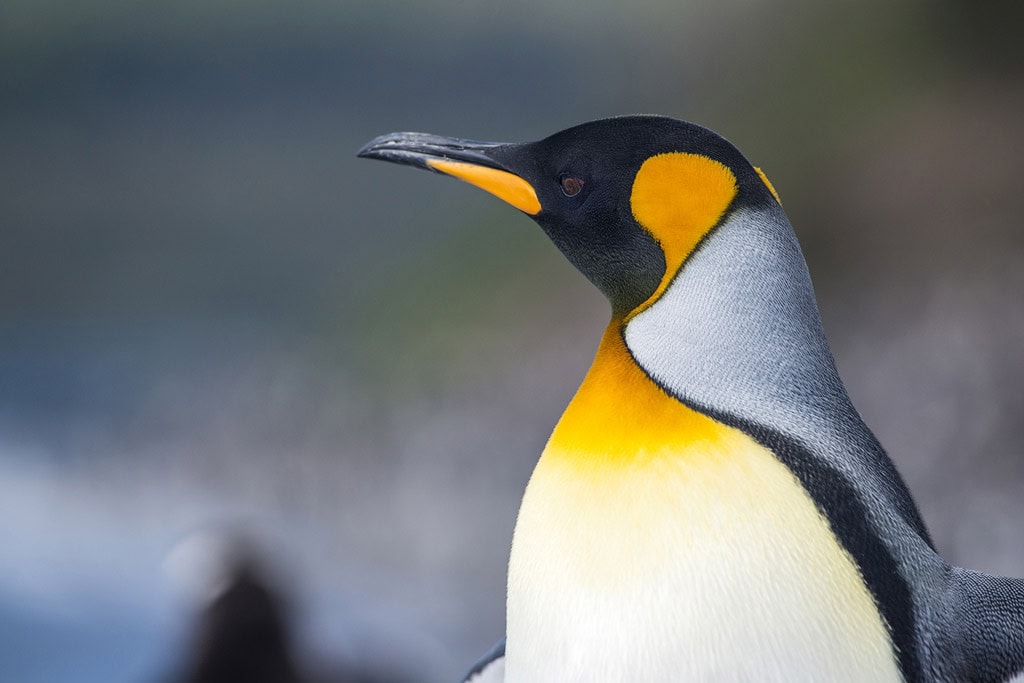
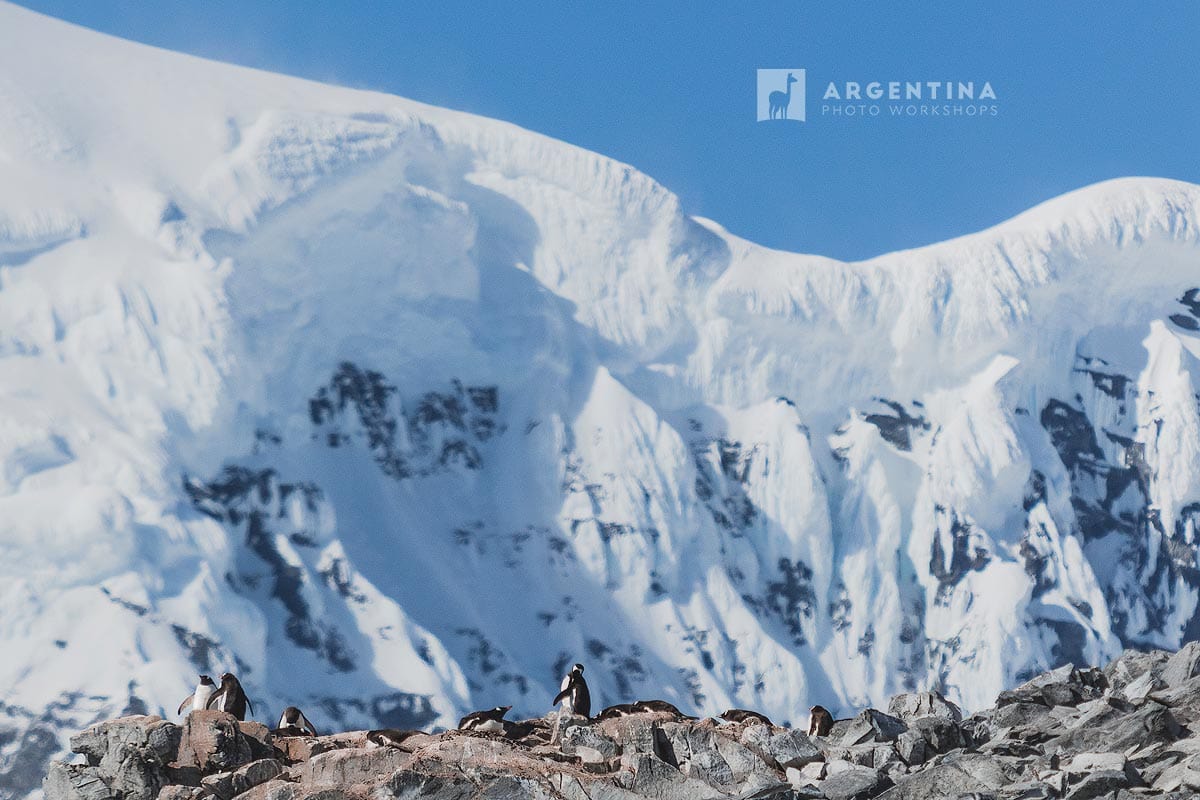
You can comfortably maintain your legal distance from a gentoo penguin rookery or a leopard seal resting on an ice floe, and simply leverage your sensor’s pixels to crop in on the intimate behavioral details during post-processing without sacrificing image quality.
2. Photography Gear: Best Lens for an Antarctica Cruise
To achieve the necessary reach down south, you have two distinct paths: a premium telephoto zoom or a fast, fixed focal length prime lens (such as a 400mm f/2.8 or 500mm f/4).
Why Telephoto Zooms Command the Field
While a fast prime lens offers unmatched optical sharpness and beautiful background separation, the unique environment of Zodiac excursions makes them highly impractical for the vast majority of travelers.
Environmental Exposure: Changing lenses on an open boat introduces a massive risk of salt spray, driving sleet, and volcanic grit settling onto your digital sensor.
Composition Flexibility: When a humpback whale suddenly breaches alongside your Zodiac, or a pod of type-B orcas begins wave-washing an ice pack, the action happens rapidly and at unpredictable distances. A high-quality telephoto zoom (such as a 100-400mm or 200-600mm) allows you to instantly reframe from an intimate wildlife portrait to a environmental wide shot without moving an inch.
The Teleconverter Compromise
If you own a 70-200mm f/2.8 or a 100-400mm f/4.5-5.6, adding a 1.4x or 2.0x teleconverter to your kit is a highly efficient way to gain extra reach without adding massive weight to your camera bag.
Note for the Field: Keep in mind that a teleconverter will reduce your maximum aperture by 1 to 2 stops. In the bright, high-contrast environments of the South Shetland Islands, this light loss is easily managed by modern camera sensors. However, you must test the combination beforehand to ensure that your tracking autofocus speed does not degrade when tracking rapid marine birds.
3. Photography Gear for Antarctica Cruise: The Landscape Essentials
While wildlife requires compression and reach, the true spirit of Antarctica lies in its monumental scale. Towering ice walls, massive tabular icebergs, and mountain ranges that plunge directly into the black ocean demand a wider perspective.
The Ultra-Wide (16-35mm): Perfect for shooting from the bow of the main vessel as it navigates narrow channels like the Lemaire Strait. An ultra-wide lens allows you to capture the leading lines of the ship’s railing or the geometric patterns of floating brash ice against an immense mountain backdrop.
The Intermediate Workhorse (24-70mm): This focal length is your narrative lens. It captures the human element of the expedition—researchers working on shore, travelers stepping onto the ice, and the relationship between the wildlife and the grand environment.
4. The Logistics Check: Charter Flight Weight Limitations
You can design the ultimate optical kit on paper, but you must be able to get it to the ship. This is the single biggest logistical bottleneck for polar photographers.
Most premium expeditions include a mandatory charter flight from Buenos Aires or Santiago down to Ushuaia. Because these regional aircraft are highly optimized for weight and balance, they enforce incredibly strict carry-on luggage limits—often restricting passengers to a single piece of cabin baggage weighing no more than 7kg to 8kg (15-17 lbs).
The Strategy: Choose lightweight, variable-aperture lenses over heavy f/2.8 glass where possible. Modern lens stabilization and the low-noise capabilities of current sensors mean you no longer need massive, heavy glass elements to achieve professional-grade results in the field.
5. Final Step: Get Prepared with a Photography Workshop in Ushuaia
Investing thousands of dollars in a premium telephoto lens or rental gear for an Antarctica cruise is only half the battle. If you haven’t thoroughly tested those focal lengths under real-world sub-polar conditions before your ship crosses the Drake Passage, you are taking a massive creative risk.
Because your cruise itinerary will include a mandatory 1 or 2-day buffer stay in Tierra del Fuego to safeguard against flight delays, you have a perfect opportunity to execute a precision technical dress rehearsal.
By joining a dedicated Professional Ushuaia Photographer for a private, field-driven masterclass, you can push your lenses to their absolute limits before stepping onto the ship.
Our custom Photo Tours in Ushuaia and tailored Photography Tours in Tierra del Fuego are designed specifically to act as an Antarctica gear simulation. We head directly into the rugged coastal environments of the national park or private estancias to run exhaustive diagnostics on your gear:
Autofocus Speed Control: We check your camera’s subject tracking and autofocus performance on hyper-fast local marine birds, ensuring your tracking habits are completely locked in before you encounter your first penguin colony.
Focal Length Adaptability: We practice framing dynamic coastal landscapes using your wide zooms and testing the sharpness of your telephotos with and without teleconverters.
Physical Workflow Rehearsal: You will practice changing settings, balancing your long lenses, and managing your camera bag while wearing your actual polar clothing and technical glove.
When you step aboard your vessel and sail down the Beagle Channel, you won’t be guessing which lens to pack in your waterproof dry bag for the next day’s shore landing. Your kit will be perfectly curated, fully calibrated, and ready to perform.